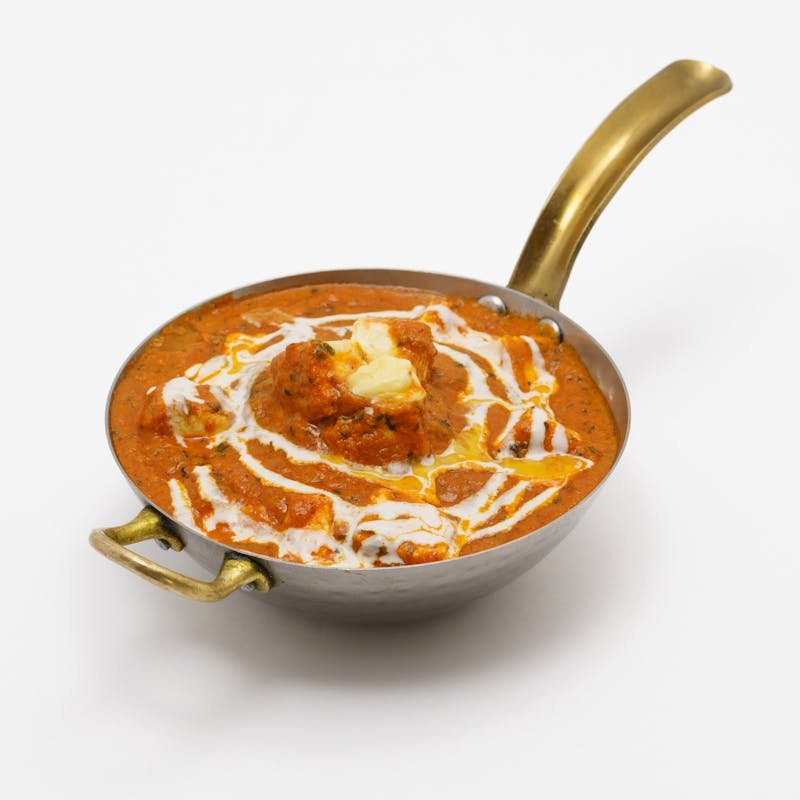
Ask someone to name an Indian dish they have ordered countless times, and butter chicken will likely come up.
It is the dependable choice for mixed tastes, first-time diners and families sharing a table. Yet its familiarity makes it easy to overlook what makes one version memorable.
The difference rarely lies in a secret ingredient. It comes down to how the chicken is prepared, how the tomato base is developed, how the richness is balanced and, most importantly, whether the kitchen gives each stage enough time. That is what separates a good butter chicken restaurant from one you remember.
What makes a butter chicken restaurant worth returning to?
The best restaurants understand that quick service and rushed cooking are not the same thing.
A dish can arrive at your table within minutes because much of the preparation happened earlier. Ingredients have been prepared, sauces have been developed and the kitchen knows how everything needs to come together when an order comes in.
Butter chicken benefits enormously from that preparation because there is nowhere for poor balance to hide. You taste the chicken, tomato, spices and dairy together. If one element is weak, overly sweet, too acidic or too heavy, you notice it almost immediately.
The finished dish may look simple. The work behind it isn’t.
The chicken should not disappear into the gravy
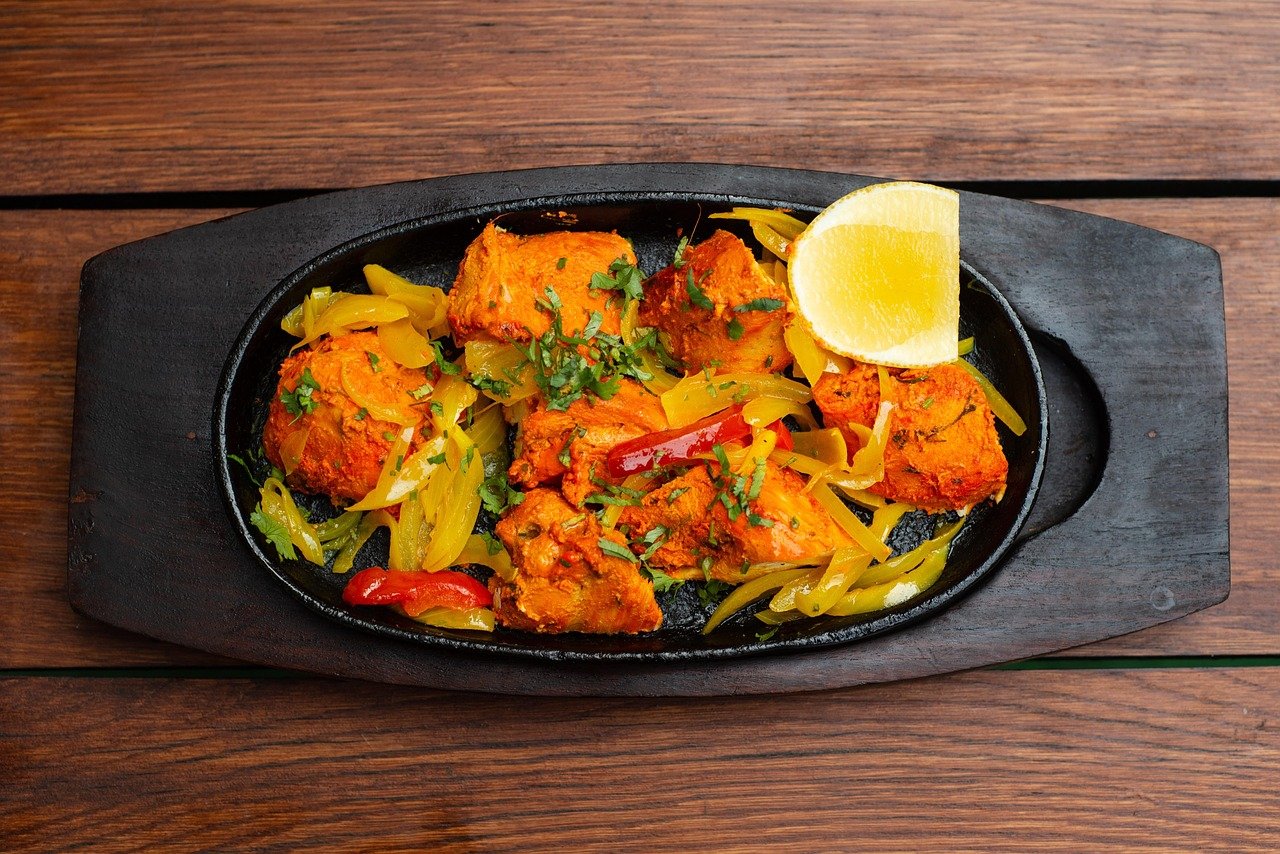
Butter chicken is closely associated with tandoori cooking, although the exact origin story of the dish remains disputed. The most widely told history connects it with the Moti Mahal tradition and the use of tandoori chicken in a rich tomato-based gravy.
The connection makes culinary sense.
High-heat cooking gives the chicken browned and lightly charred edges, while a well-seasoned marinade develops flavour before the sauce ever enters the picture. When that chicken meets a rich gravy, you get contrast rather than one uniform flavour.
That is important. The chicken should still taste like chicken. The sauce should enhance it, not erase it.
If the meat has no character underneath the gravy, adding more butter or cream cannot completely fix the problem.
The sauce is where patience shows
This is the less glamorous part of butter chicken, but arguably where the biggest difference is made.
Tomatoes bring acidity, butter adds richness, spices bring warmth, and cream softens the sauce. The challenge is keeping everything in balance.
The tomato base needs time to cook down and develop a deeper, more rounded flavour rather than tasting simply of tomato and dairy. You may not analyse it while eating, but you notice when the sauce makes you reach for another piece of naan.
Butter should finish the dish, not rescue it
The name gives butter chicken a certain reputation. Rich, creamy and indulgent are usually the first words that come to mind.
But richness by itself is not the goal.
Butter and cream work when there is already a well-developed sauce underneath them. They bring smoothness and roundness to the dish. They should not be used to disguise a weak tomato base or an unbalanced spice mix.
A sauce can be rich without becoming exhausting. It can be creamy without tasting one-dimensional. And it can feel indulgent while still leaving you wanting another bite. That is a much harder balance to achieve than simply adding more cream.
The spice doesn’t need to shout
If you’ve searched for the best butter chicken near me, you’ve probably seen plenty of “spicy” or “fiery” promises. But butter chicken isn’t defined by heat.
Its appeal comes from aromatic spices working with tomato, butter, dairy and well-seasoned chicken. Too much chilli can easily hide those flavours. You should taste the tomato, notice the spices and still get the chicken. Heat can be part of the dish, but it shouldn’t become the whole experience.
Why the recipe can’t be rushed
This is the part diners rarely see. A plate of butter chicken may look like one simple dish, but several stages happen before it reaches the table. The chicken needs preparation, the sauce needs time to develop, and both must come together with the right balance of richness.
That is why patience matters more than complexity. A great butter chicken recipe does not need dozens of ingredients. It needs the right ones treated properly. The chicken brings depth, the tomato adds body, spices build character, and butter and cream finish the dish.
Rush one stage, and the others have to work harder.
How to judge a butter chicken before you order it
- Look past glossy photos and words like “creamy” or “authentic” on the menu.
- Check for a strong tandoor section and real variety in the chicken dishes.
- When it arrives, taste the chicken on its own. It should have flavour of its own.
- The sauce should have depth without excessive sweetness.
- The spices should round things out, not overpower them.
Those details tell you far more about the kitchen than the colour of the gravy ever will.
Where Tandoori Trails fits into the story
At Tandoori Trails in Victoria, Butter Chicken is listed as a Chef Special: tender chicken in a creamy tomato-based butter sauce, served with rice or naan. The chicken is cooked in the tandoor before it goes into the sauce, which is exactly the contrast this dish depends on.
The menu also features a substantial selection of tandoor dishes, including Tandoori Chicken, Chicken Tikka, Chicken Malai Tikka and Chicken Hariyali Tikka.
That context is worth noticing. When you are looking for a butter chicken restaurant, the wider menu tells you something about the kitchen’s approach to Indian food. Butter chicken may be the dish that brings you through the door, but the cooking behind it is part of a much bigger tradition.
It is familiar, but it is not effortless.
The best butter chicken is the one you remember
Some meals satisfy you at the table and are forgotten by the time you get home. Then there are those you find yourself thinking about the next day. Butter chicken can be one of them: a comforting combination of charred chicken, warm spices, tomato, butter and cream.
So when you are searching for a butter chicken restaurant near me, look beyond the creamy sauce. Pay attention to the chicken, the depth of the tomato base and the spice balance. The best butter chicken isn’t trying to impress you. It simply tastes like it wasn’t rushed.
Frequently asked questions
What makes a good butter chicken restaurant?
A good butter chicken restaurant focuses on balance. The chicken, tomato-based sauce, spices, butter and cream should work together rather than one flavour overpowering the others.
Why does butter chicken take time to prepare?
Butter chicken involves several stages, including preparing the chicken and developing the sauce. Giving each component enough time helps build deeper, more balanced flavour.
Is butter chicken supposed to be spicy?
Not necessarily. Butter chicken is generally known for aromatic spices and a relatively mellow level of heat rather than intense chilli. Spice levels vary between restaurants.
What is the difference between butter chicken and chicken tikka masala?
The dishes can look similar, but butter chicken is traditionally associated with tandoori-style chicken and a rich, creamy tomato-based gravy. Restaurant interpretations of both can vary.
Where can I find butter chicken in Victoria BC?
Tandoori Trails in Victoria serves Butter Chicken as a Chef Special alongside a broad selection of tandoor dishes, curries and other Indian favourites. You can see the full list on the menu.